Curcumin's Absorption Problem Is the Central Fact Behind All Turmeric Research
Turmeric's active compound curcumin shows real promise, but a fundamental absorption problem shapes what it can actually do.
The Gap Between Reputation and Reality

Few kitchen spices carry a heavier wellness mythology than turmeric. Golden lattes, anti-inflammatory supplements, joint-health capsules - the market around this root is enormous, and the claims attached to it often outrun the science considerably. That gap is worth taking seriously, because turmeric does have a meaningful evidence base. It just doesn’t quite match the version sold on supplement shelves.
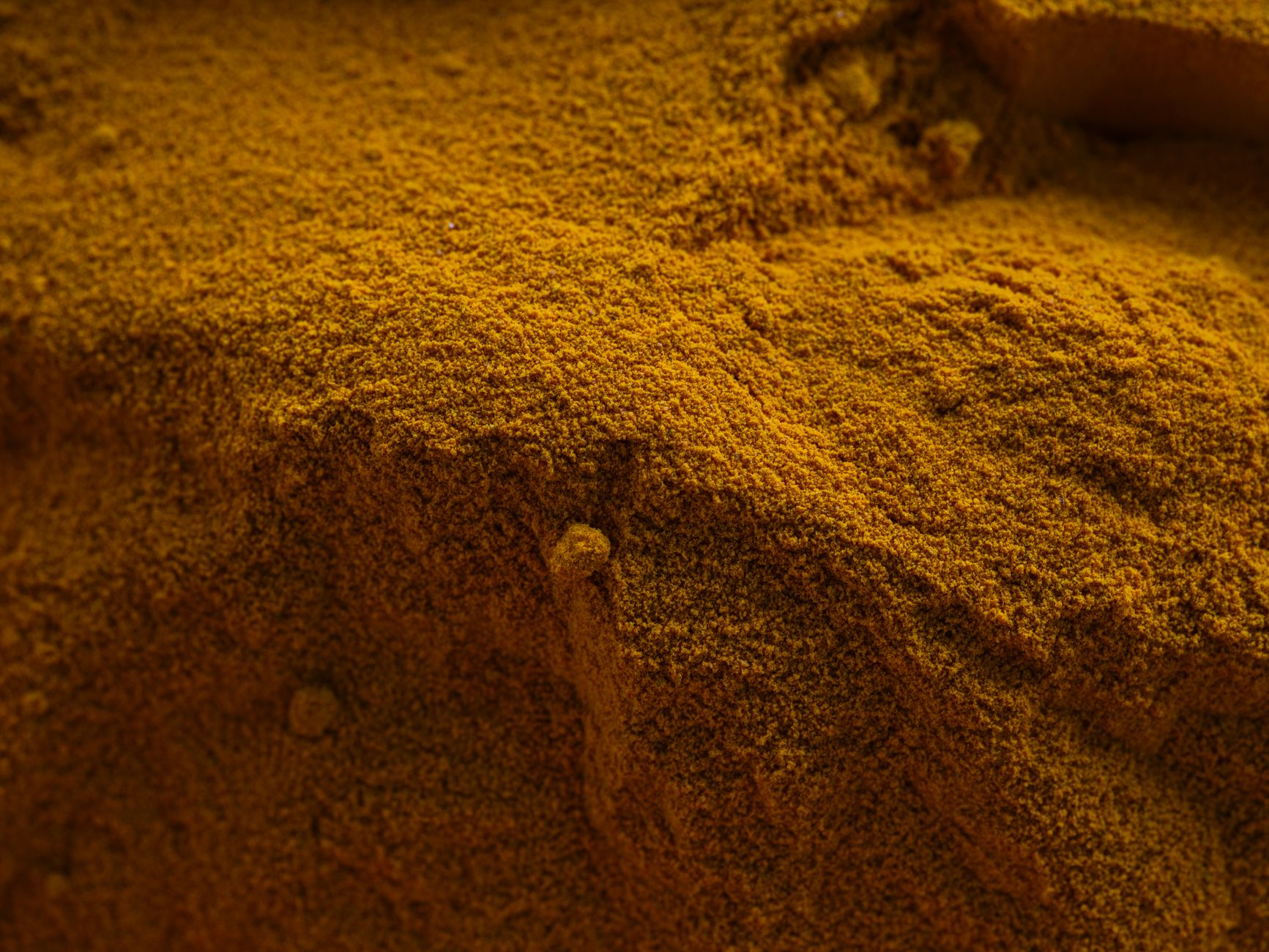
Turmeric is a spice from the ginger family that has been used in India for thousands of years as both a culinary spice and a medicinal herb.
Ayurvedic and traditional Chinese medicine practitioners used it to address skin disorders, respiratory problems, joint pain, and digestive conditions. That long history of use is culturally significant, but it doesn’t substitute for controlled evidence - and sorting out what the controlled evidence actually shows requires understanding one central constraint.
Why Curcumin Is Hard to Absorb
Curcumin is the biologically active compound in turmeric, and turmeric’s potential health benefits are primarily attributed to it. The problem is that curcumin is poorly absorbed by the body under normal conditions. Oral curcumin exhibits poor systemic bioavailability due to rapid intestinal and hepatic metabolism. In practical terms, this means a substantial portion of what you ingest is broken down and cleared before it can reach target tissues in meaningful concentrations.
Curcumin makes up only about 5% of turmeric by weight , so the starting concentration is already modest. Cooking with turmeric as a spice delivers small amounts of a compound that the body already struggles to absorb - which is why the gap between laboratory studies and real-world dietary use is particularly pronounced here.
Most studies on turmeric use high doses of turmeric extract, not turmeric powder or root - and in general, the body doesn’t absorb curcumin well, whether it comes from supplements or from the powder or root.
The Black Pepper Effect
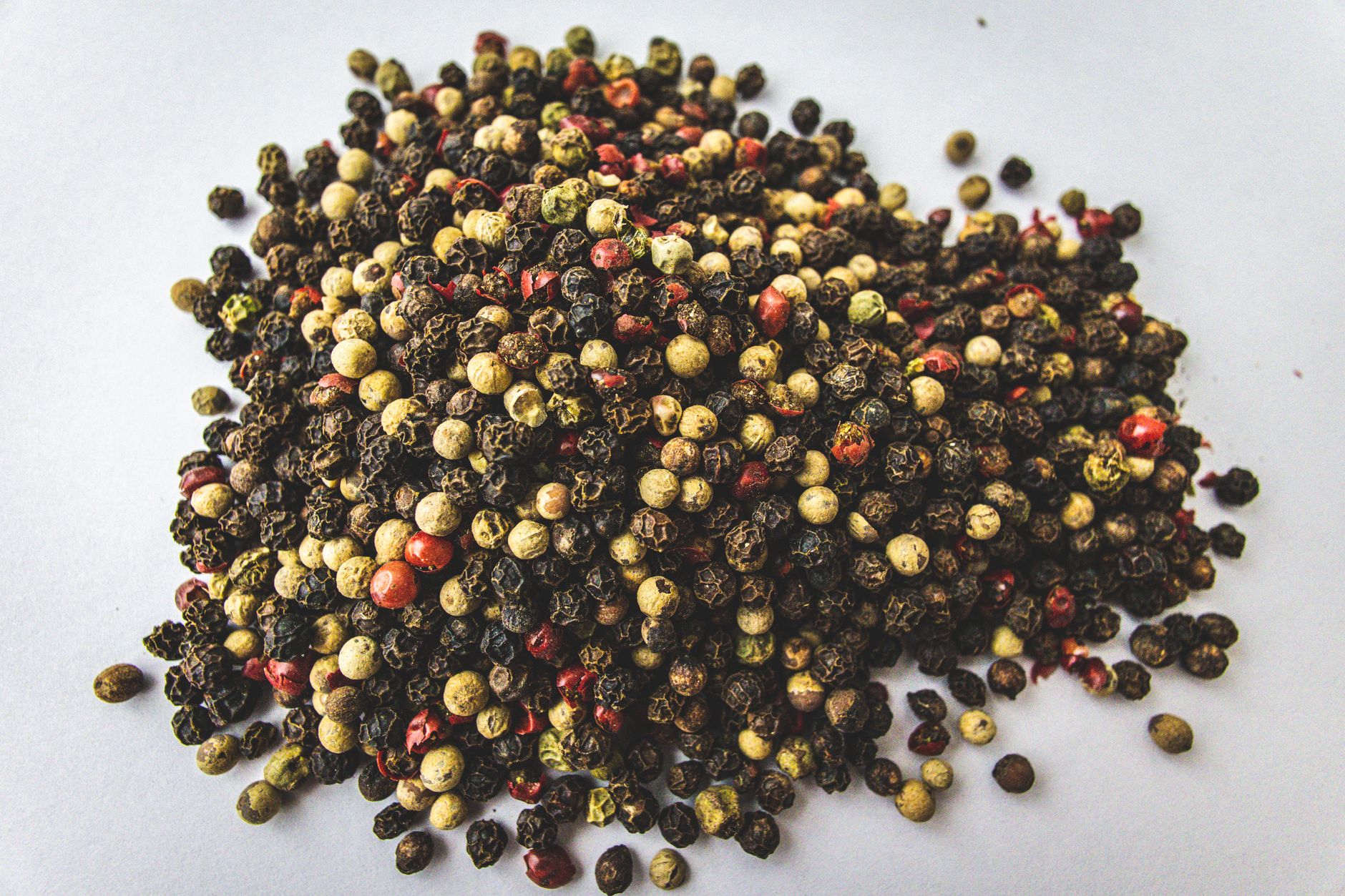
One of the more well-established findings in turmeric research concerns how to address the absorption problem. Piperine, the active alkaloid in black pepper, has a significant effect on curcumin’s bioavailability. Piperine is responsible for black pepper’s characteristic flavor and may help inhibit drug metabolism - the liver eliminates foreign substances by making them water-soluble for excretion, and piperine may inhibit this process so that curcumin is not cleared as quickly.
Formulations combining curcumin with piperine have been developed specifically to address this, and research has found that such combinations can enhance curcumin plasma concentrations substantially - one widely cited human pharmacokinetic study from 1998 reported increases of up to 2,000% under a specific dosing protocol. That figure reflects that particular protocol rather than typical kitchen use. Still, the directional finding - that combining the two meaningfully improves absorption - appears consistent across research.
Incorporating turmeric into a meal with fats such as oils may also increase the absorption of curcumin by the gastrointestinal tract, since curcumin is fat-soluble. Traditional culinary uses - turmeric cooked into a curry with oil, alongside black pepper - appear to reflect an intuitive understanding of this absorption chemistry, even if the mechanisms were not formally understood.
A note of caution: because piperine may also inhibit broader metabolic pathways in the liver, research indicates that taking piperine alongside prescription medications may produce interactions that increase drug concentrations in ways that weren’t intended. This is worth flagging for anyone on regular medication.
Where the Evidence Points
Joint Pain and Inflammation
The most consistently supported application is for joint-related discomfort. A systematic review and meta-analysis concluded that 8-12 weeks of standardized turmeric extracts - typically 1,000 mg/day of curcumin - may reduce arthritis symptoms, mainly pain and inflammation-related symptoms, with improvements similar to those seen with ibuprofen and diclofenac sodium. That is a notable finding, though it applies to standardized extracts at specific doses, not to turmeric used as a spice.
Curcumin has been found to limit the activity of enzymes including lipoxygenase and cyclooxygenase-2 (COX-2) that are involved in promoting and maintaining inflammation, which may contribute to reductions in inflammation and associated pain in conditions such as arthritis. This enzyme-level mechanism gives the joint pain findings a plausible biological basis, though the exact clinical significance for individual patients varies considerably.
Blood Sugar Regulation
Clinical trial research has found that curcumin supplementation may significantly reduce fasting blood glucose, HbA1c, and insulin resistance as measured by HOMA-IR. These are meaningful metabolic markers, though the research is in supplement form at doses far above what dietary turmeric would provide.
One study on prediabetic individuals found that 16.4% of the placebo group developed Type 2 diabetes, while none in the curcumin-treated group did. This is a striking result from a single study, and it would require corroboration from larger independent trials before it could support a general recommendation - but it has prompted meaningful follow-up research.
Digestive Inflammation
There is also some evidence for improvements in active symptoms and markers of inflammation in those with ulcerative colitis. This is a specific clinical population, and the evidence should not be generalized to digestive complaints more broadly without further substantiation.
What the Evidence Does Not Support
The broader claims - that turmeric “detoxifies” the body, prevents cancer, or treats neurological conditions - are not supported by current human evidence. There is substantial evidence from preclinical studies in test tubes and animals showing that curcumin may act as an anti-inflammatory and antioxidant agent, but animal and in-vitro findings frequently fail to translate to human clinical benefit at equivalent doses.
Research points to possible benefits for inflammation, joint discomfort, and overall cell protection, though evidence is still developing. That framing is a useful baseline: the evidence is real but incomplete, and many of the more dramatic claims circulating online go well beyond what trials have established.
Supplement Risks Worth Knowing
High-dose turmeric or curcumin supplements can cause side effects and may interact with certain medications.
In people with hormone-sensitive cancers such as breast, ovarian, or prostate cancer, a curcumin supplement could potentially worsen the cancer or interfere with cancer medications - and in women who are pregnant or breastfeeding, the supplement isn’t recommended because researchers haven’t fully studied the risks.
More curcumin is not necessarily better, and too much can be risky. This matters because the supplement market often promotes higher-concentration extracts on the assumption that more active compound equals more benefit - a premise that doesn’t hold when the compound in question has complex, dose-sensitive biological effects.
Cooking With Turmeric vs. Taking Supplements
There is no known health risk to consuming turmeric as a spice in typical culinary amounts. The culinary case for turmeric - its flavor, its role in traditional cuisines, its contribution to a varied diet - doesn’t require the supplement-level evidence to be ironclad.
The practical takeaway: adding turmeric to food alongside black pepper and a fat source aligns with what research suggests about improving absorption, even if the clinical payoff from dietary use alone remains modest. For those specifically seeking therapeutic effects - particularly for joint symptoms - the evidence points toward standardized extracts rather than kitchen-level spice use, while also carrying the drug-interaction caveats that come with any concentrated bioactive compound.
The distinction between eating turmeric and supplementing with curcumin extract is not a small one. They occupy genuinely different evidence categories, and conflating them is where much of the confusion around this spice begins.
About our editorial approach
Our articles explain current evidence in plain language. We summarise published research without inventing mechanisms, upgrading hedging, or making diagnostic claims. Where evidence is mixed or limited, we say so.
How we research and update articles →