
A Kitchen Staple With a Long - and Complicated - History

Apple cider vinegar has been used as a health tonic for thousands of years - in ancient times as a treatment for coughs and infections, and more recently as a weight loss aid, a remedy for acid reflux, and a way to help manage blood sugar. That trajectory from folk remedy to modern wellness fixture says as much about human hope as it does about the substance itself. The honest picture sits somewhere between the dismissals and the breathless praise.
ACV is apple juice that’s been fermented twice.
In the first step, yeast ferments the apples’ sugars into alcohol, turning them into cider. In the second step, bacteria convert the alcohol into acetic acid - the finished product contains roughly 5% acetic acid.
Unfiltered, unpasteurized versions contain what’s called “the mother” - a cloudy mass said to contain natural proteins, healthy bacteria, and acetic acid - while crystal-clear vinegars have been filtered and pasteurized to remove it. Whether “the mother” meaningfully changes the health outcome is, at this point, not well established.
What the Research Actually Supports
Blood Sugar and Insulin Response
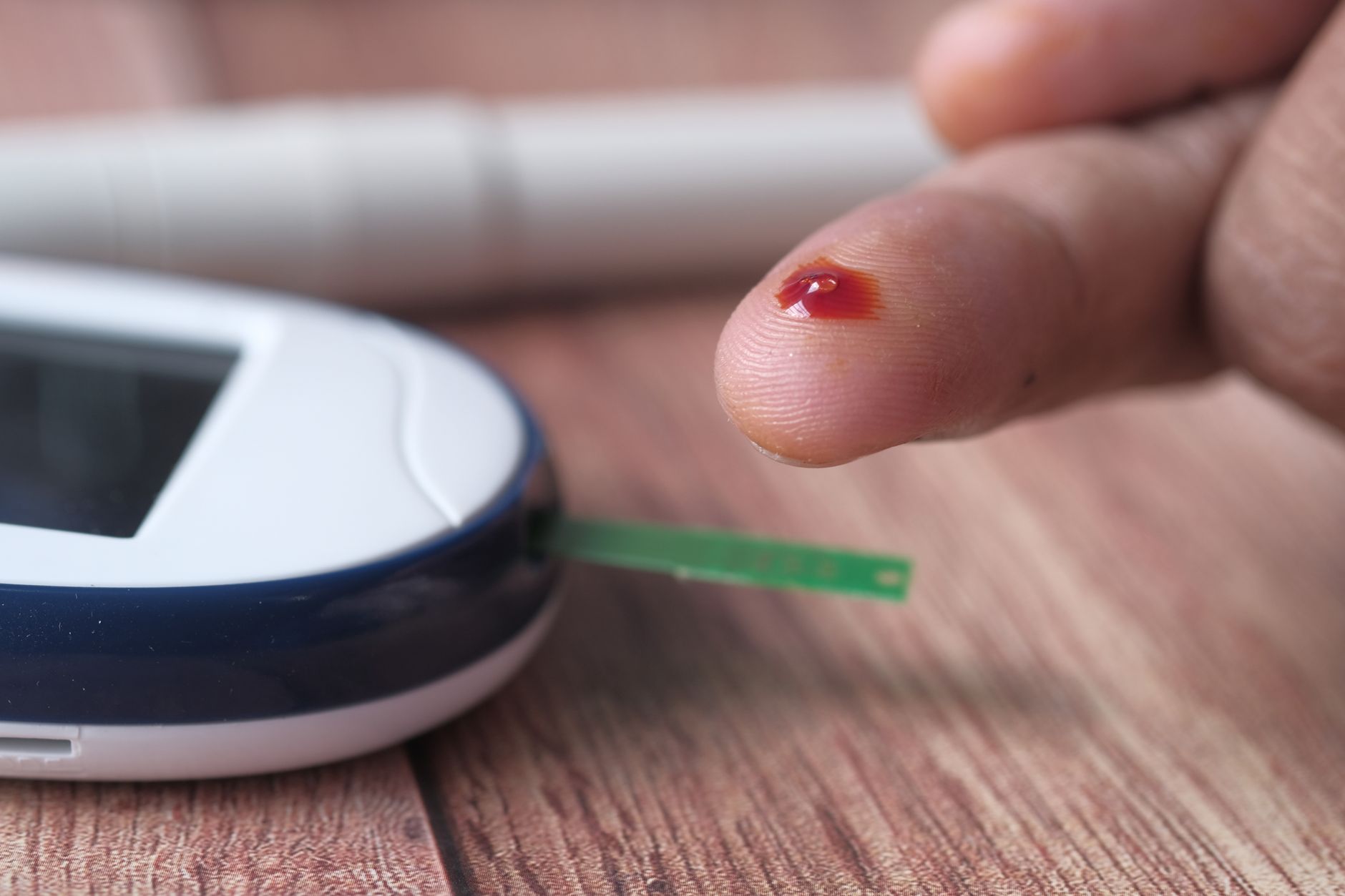
This is where the evidence is most consistent, even if still modest. ACV may improve blood sugar by delaying gastric emptying, which slows down the release of carbohydrates in the body - an effect that may also support weight management, particularly around belly fat.
Some studies have found that consumption led to reduced blood mass index, waist and hip circumference, blood sugar levels, cholesterol levels, and triglyceride levels - though researchers have suggested these benefits were likely indirect correlations associated with slowed gastric emptying and feelings of fullness, rather than a direct metabolic effect of the vinegar itself. There is also some evidence that ACV may improve cholesterol levels, with effects appearing more pronounced in people who have Type 2 diabetes.
Anyone taking insulin or blood-sugar-lowering medications should approach this with care. ACV can interact with insulin and other diabetes medications, potentially causing blood sugar to drop lower than intended.
Antimicrobial Properties
ACV is a popular yet scientifically under-validated remedy. Lab results confirm its antimicrobial activity at full-strength concentrations - though the activity cannot be generalized, because while strong antibacterial activity was observed at 25% concentrations, yeasts like Candida were found to be less susceptible.
The antimicrobial and antioxidant properties appear linked to the total phenolic content of ACV.
It’s worth noting that lab conditions rarely replicate the complexity of the human body, and what kills bacteria in a petri dish may behave quite differently in living tissue.
Weight Management
Some short-term studies suggest that consuming ACV may help people eat fewer calories and trim body fat by increasing feelings of fullness. A 2025 research review published by the National Institutes of Health also reported that ACV may help with weight management in overweight adults - though the effect is modest, and it works best alongside a structured plan rather than on its own.
Cholesterol
A 2020 review of studies in both humans and animals noted that ACV may potentially benefit levels of high-density lipoprotein, low-density lipoprotein, triglycerides, and total cholesterol. A 2021 review of research in humans also found potential benefit to total cholesterol levels - but both reviews pointed to limitations in the quality and size of research available to support these claims.
What Doesn’t Hold Up
Some people use ACV topically for dry skin and eczema. The skin is naturally slightly acidic, and it may be less acidic in people with eczema - so using diluted ACV might appear to rebalance the skin’s natural pH. However, research doesn’t necessarily support this, and warns that ACV may actually irritate the skin in some people.
A 2022 study examined the potential harm to teeth from consuming acidic beverages and dietary preservatives, including vinegar and apple cider. Researchers examined the effect on 190 human permanent teeth, finding that vinegar and apple cider had the most significant impact on tooth enamel erosion
- not the whitening effect often claimed online.
ACV also had no observed effect on high blood pressure in the studies examined, despite claims to the contrary circulating in wellness spaces.
The Real Risks of Regular Use
This is where the conversation gets underreported. Regularly drinking apple cider vinegar may degrade tooth enamel - potentially leading to pain and an increased risk of tooth decay. It has also been associated with esophageal ulceration and burning, gastroparesis, and low potassium levels in some instances.
ACV has a pH around 3.7, making it acidic enough to dissolve tooth enamel over time. In a lab study that soaked extracted human teeth in various acidic liquids, apple cider showed moderately high levels of enamel and dentin loss. The damage was cumulative - teeth exposed for longer periods lost significantly more enamel than those exposed briefly, which means sipping ACV throughout the day may be harder on teeth than taking it once. Enamel doesn’t regenerate: once worn away, the softer layer underneath is exposed, potentially leading to sensitivity, discoloration, and a higher risk of cavities.
While rare, extremely high doses of ACV over a long period have been linked to low potassium levels. In one documented case, a person who consumed about eight ounces of ACV daily for several years was hospitalized with low potassium and osteoporosis - doctors believed that the high acid intake may have prompted the body to pull minerals from the bones to help buffer the acidity in the blood. That’s an extreme scenario, but it illustrates how the body may respond to sustained chemical imbalance.
ACV can also interact with some drugs, such as diuretics, laxatives, and insulin.
It may interfere with diuretics and heart medications like Digoxin, potentially leading to low potassium levels.
How to Use It Without Creating New Problems
The general safety threshold cited in most guidelines is 1 to 2 tablespoons (15 to 30 milliliters) per day, always diluted. Anything above that enters the range where side effects become more likely, and undiluted ACV in any amount poses risks to enamel and soft tissue. When diluting, a 1:10 ratio of ACV to water is considered the minimum for safety - roughly 1 tablespoon of ACV in at least 8 ounces of water.
Drinking it through a straw may help protect the teeth.
ACV may give some people indigestion or nausea - taking it on an empty stomach can make this worse.
For those who want to incorporate ACV into their diet without the acidity risk, it’s also a vinegar made with crushed fermented apples, yeast, and sugar - it’s used as an ingredient in salad dressings, pickles, and marinades, which distributes the acidity across a full meal and may largely reduce the enamel concern.
Putting It in Perspective
Apple cider vinegar occupies a real but narrow lane in practical wellness. Its most defensible role is as a dietary condiment that may contribute modest support for blood sugar regulation and satiety in people managing weight - not as a standalone treatment for any specific condition.
Studies exploring its health benefits have mainly focused on reductions in blood sugar levels and weight loss, with those studies being relatively small, short-term, and often using animal models. That doesn’t make the findings worthless - it means they warrant cautious, proportionate interest rather than full adoption or full dismissal.
If you use it diluted in water or as part of a salad dressing - roughly 1 teaspoon to 1 tablespoon daily - the risk profile is low for most people, and the potential benefit, however modest, is real enough to justify the habit.