What Makes Ginger Pharmacologically Active
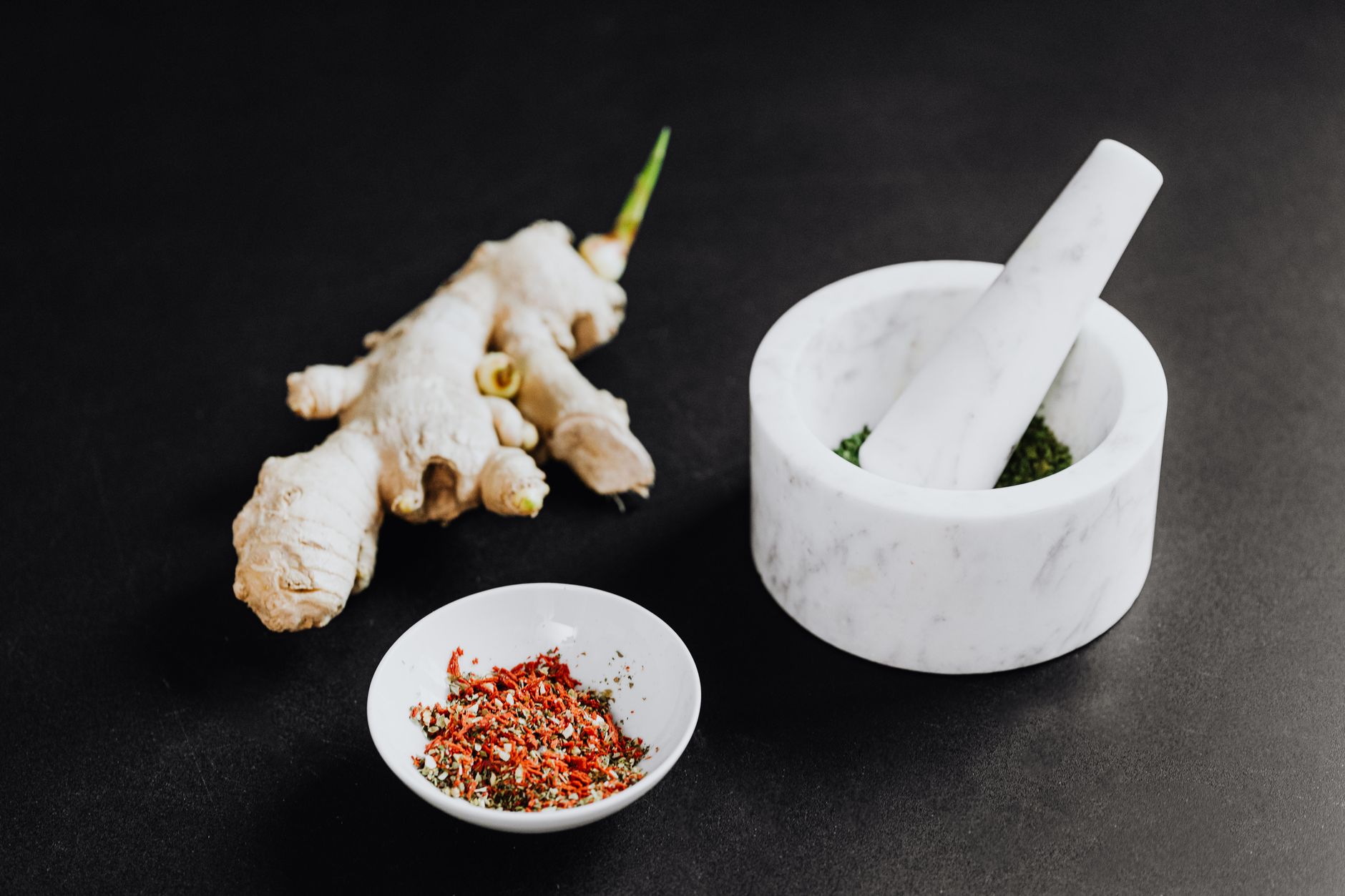
Ginger (Zingiber officinale) is not simply a flavoring agent. Its rhizome contains a family of bioactive compounds - gingerols, shogaols, and zingerone - that interact with biological pathways in measurable ways. These compounds may inhibit COX and LOX enzymes, reduce pro-inflammatory cytokines, and deliver antioxidant support that may help balance immune responses. That mechanism places ginger in the same conceptual territory as non-steroidal anti-inflammatory drugs (NSAIDs), though at a considerably weaker magnitude and with a different safety profile.
Scientific reports on the anti-inflammatory actions of ginger go back to the 1980s, and the body of research has grown substantially since. What that research shows, however, is not uniform across conditions. Ginger performs convincingly in some areas and remains genuinely uncertain in others. Understanding that distinction matters more than treating it as a blanket remedy.
Where the Evidence Is Strongest: Nausea
The most well-supported use of ginger is for nausea - and even within that category, the quality of evidence varies by context.
The European Medicines Agency’s Committee on Herbal Medicinal Products has attributed “well-established use” status to dried ginger rhizome specifically for the prevention of nausea and vomiting in motion sickness. That is a notable regulatory benchmark, not merely a folk tradition.
For pregnancy-related nausea, the evidence is also reasonably consistent. A systematic review and meta-analysis including twelve randomized controlled trials involving 1,278 pregnant women found that ginger significantly improved nausea symptoms compared to placebo.
The best available evidence suggests ginger may be a safe and effective option for pregnancy-related nausea and vomiting, though uncertainty remains regarding maximum safe dosage, appropriate treatment duration, and potential drug-herb interactions.
For chemotherapy-induced nausea, the picture is more mixed. A systematic review of randomized clinical trials found mixed results overall but some support for ginger as an adjunct to standard anti-emetic medications.
Ginger’s use to reduce nausea side effects in chemotherapy has been widely studied, but no clear mechanism of action has been determined. That distinction matters: an effect without an established mechanism is not necessarily invalid, but it warrants caution about how confidently the finding is interpreted.
Inflammation and Joint Pain: Promising but Qualified

For inflammatory conditions - particularly osteoarthritis - ginger has attracted growing research attention, and the findings are encouraging without being conclusive.
Research has suggested that ginger extract may reduce pain and improve function in individuals with osteoarthritis, particularly in the knee. A study published in Arthritis and Rheumatology found that patients who consumed ginger extract experienced a reduction in pain and stiffness that some researchers have compared to the effects of conventional anti-inflammatory medications, but with fewer side effects.
At the biomarker level, a meta-analysis and systematic review of randomized controlled trials found that ginger supplementation was associated with decreased CRP, hs-CRP, and TNF-α
- circulating markers commonly elevated in inflammatory states. These are objective laboratory measurements, which strengthens the signal compared to self-reported symptom data alone.
More recently, researchers identified a specific cellular finding. Research published in JCI Insight focused on the impact of ginger supplementation on neutrophils - a type of white blood cell - and found that ginger consumption was associated with neutrophils being more resistant to NETosis, a process involved in controlling inflammation. As the senior co-author noted, this was the first research to provide evidence of a biological association underlying ginger’s apparent anti-inflammatory properties in people.
For rheumatoid arthritis, small studies suggest improvements in tender joint count and inflammatory markers such as ESR and CRP after weeks of ginger supplementation, though the evidence base here is thinner and the studies tend to be smaller. The cellular and molecular mechanisms behind ginger-derived phytochemicals are not fully understood yet, which means the overall picture, while suggestive, is still developing.
Form and Preparation Matter More Than Most People Realize
One underappreciated variable in ginger research is that not all preparations are equivalent. The concentration of active compounds varies between forms - including powdered root, standardized extracts, fresh ginger, teas, and ginger ale - and most clinical trials specify the form used.
Fresh ginger and dried ginger are chemically distinct. Drying converts gingerols into shogaols, which are more concentrated compounds that research suggests may have stronger anti-inflammatory properties. A ginger tea made from a few slices of fresh root contains a fraction of the active compounds found in a standardized extract capsule used in clinical trials. This gap between kitchen remedy and clinical intervention is worth keeping in mind when interpreting study results.
Ginger can be consumed as a fresh or dried root and is often prepared in teas, soft drinks, and breads, though most clinical research has used between 250 mg and 1 g of the powdered root in capsular form, taken one to four times daily. That range reflects what has been tested - it is not a universal recommendation.
Safety and Drug Interactions
Ginger is recognized as generally safe by the FDA for most people, though it may interact with certain blood-thinning medications, necessitating caution for those on such treatments.
The interaction profile extends beyond anticoagulants. Laboratory studies have found that ginger may inhibit the activity of cytochrome P450 enzyme CYP3A4, as well as CYP2C9 and P-glycoprotein, which may have implications for drug interactions. These enzyme systems process a wide range of medications, meaning ginger supplements - at concentrated doses - could theoretically alter how the body handles other drugs. This is an area where kitchen-quantity culinary use and high-dose supplementation sit in very different risk categories.
Ginger may also lower blood sugar levels or affect insulin, meaning people with hypoglycemia or those taking blood sugar-lowering medications should use it with caution.
The gastrointestinal side effects are generally mild - heartburn, bloating, and mild digestive discomfort at higher doses - and although there have been no reports of toxic effects from ginger after human consumption, more research analyzing adverse reactions and potential drug interactions still needs to be performed.
What Remains Genuinely Uncertain
Several areas that attract popular attention are not well supported by the current evidence. Claims about ginger “detoxifying” the liver, preventing cancer, or treating neurological disease are either based on preliminary animal and in-vitro work that has not translated to human trials, or on very small pilot studies that cannot support general recommendations.
Numerous studies have suggested that ginger has potential in areas including cardiovascular health, chemotherapy-induced emesis, arthritis, gastric dysfunction, and respiratory disorders
- but “potential” is the operative word. Potential established in preliminary research is not the same as evidence sufficient for a clinical recommendation. The scope of what ginger has been studied for far exceeds what has been confirmed.
Practical Considerations
For motion sickness and mild nausea, culinary quantities of ginger - ginger tea, candied ginger, fresh ginger in food - align reasonably well with what the evidence supports, without the complexity of supplement dosing.
For joint pain and inflammatory conditions, the clinical trials generally used standardized extracts at doses that culinary use would rarely match. Someone relying on ginger tea alone to manage osteoarthritis pain is unlikely to achieve the compound concentrations used in trials showing a benefit. That doesn’t make it useless - even modest effects on inflammation may be meaningful over time - but it is a reason not to substitute ginger for treatments with stronger evidence.
The most defensible position is that ginger occupies a genuine place in the evidence-based toolkit for nausea, and a promising but less definitive one for inflammatory pain. Its value as a daily culinary staple is, in any case, separate from its pharmacological potential - and for most people, that is exactly where it lives.