What Garlic Actually Contains - and Why It Matters
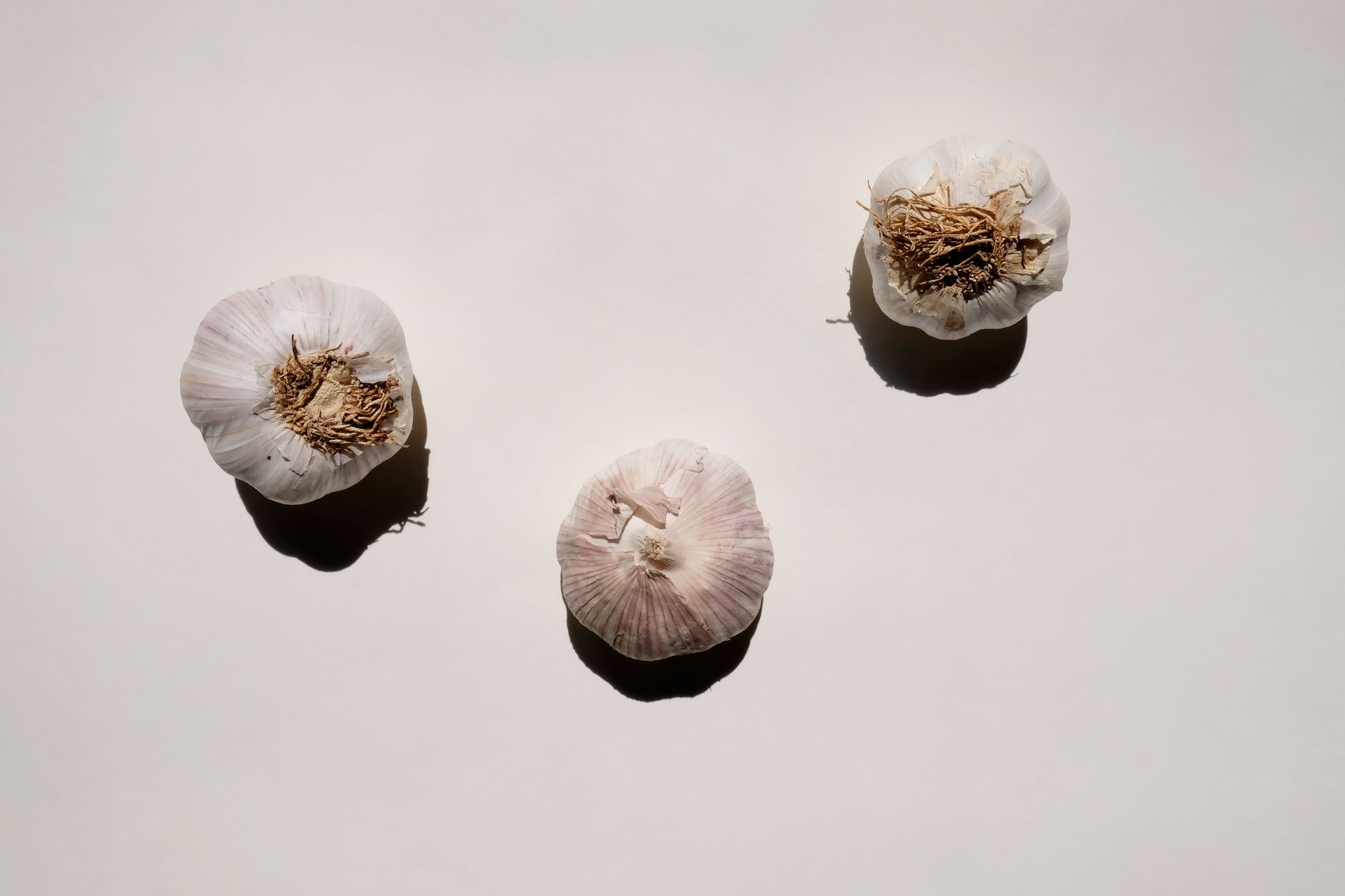
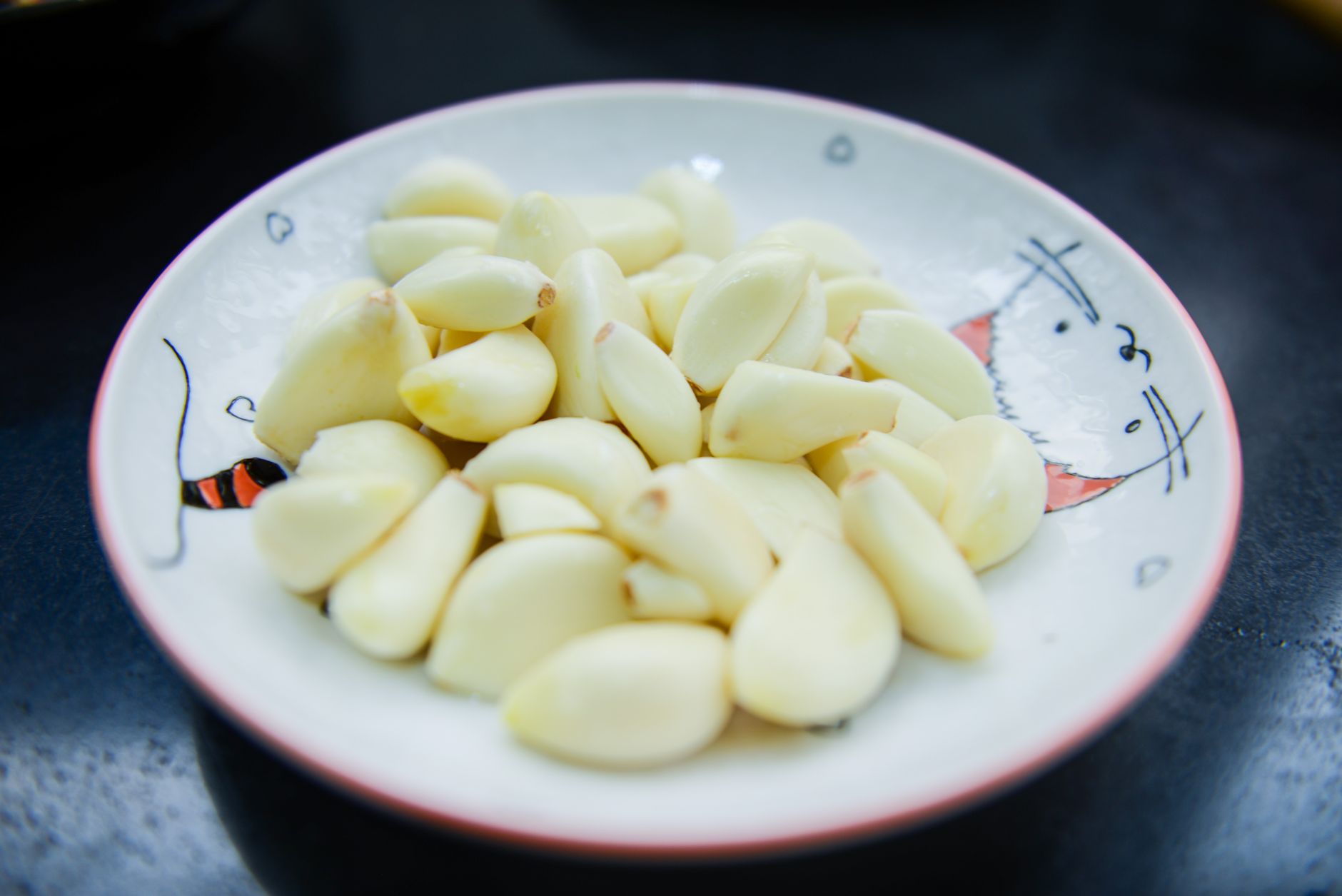
Whole, intact garlic cloves contain almost no allicin. That may come as a surprise given how often allicin is cited as garlic’s primary therapeutic compound. The reality is more nuanced: allicin doesn’t exist preformed in the clove. It is synthesized from alliin - specifically S-allyl-L-cysteine sulfoxide - by the enzyme alliinase, but only upon processing or consumption.
When you crush, smash, chop, mince, or chew a raw clove, these two components intermingle, triggering allicin production - and much of it forms in under a minute. That’s the biochemical basis behind the familiar kitchen advice to let chopped garlic rest before adding it to heat. The rest period isn’t culinary superstition; it exists because allowing the reaction to complete before cooking helps preserve whatever allicin has formed.
How Heat and Acid Undermine the Whole Process
Here’s where preparation starts to matter considerably. Alliinase is inactive when exposed to acid and heat - it won’t function after cooking or when it enters an acidic environment such as the stomach. Drop a whole, unbroken clove directly into a hot pan and you’ve effectively blocked the allicin-forming reaction before it can begin.
Cooking intact garlic cloves results in much less organosulfur compound production than crushed garlic of the same weight. And high-temperature cooking compounds the problem: the loss of volatile bioactive sulfur compounds during cooking and baking can be significant if high temperatures are used for a long time.
Pre-chopped garlic sold in jars presents a separate issue. Pre-chopped jars typically contain citric acid or phosphoric acid as preservatives, which render alliinase ineffective - though the industrial chopping process itself may have already generated allicin before the acid was added. By the time a jar reaches your kitchen, its allicin content is uncertain at best.
Garlic powder behaves differently again. The heat used during dehydration is typically low enough to inactivate - but not destroy - the enzyme, meaning that adding water to garlic powder for about a minute may allow alliinase to activate and produce allicin. This suggests that rehydrating garlic powder before using it may preserve more bioactive potential than adding it dry to a hot dish.
What the Evidence Supports - and at What Level of Certainty

The clinical evidence for garlic’s health effects is real but mixed in quality. The strongest signal is in cardiovascular markers. Clinical studies investigating garlic and garlic-based supplements suggest that consumption may modestly reduce blood pressure, particularly in individuals with mild hypertension. Potential mechanisms that have been proposed include increased nitric oxide production, improved endothelial function, and antioxidant activity.
Some trials have reported specific numerical reductions in blood pressure, but these figures vary considerably across studies and should be treated as estimates rather than expected outcomes. Garlic should not be considered a substitute for conventional antihypertensive medications.
The picture for cholesterol is more equivocal. Garlic may slightly reduce total cholesterol and LDL cholesterol in some people, though results across studies are mixed and the effect is generally modest. Meta-analyses of lipid-lowering nutraceuticals including garlic suggest they may improve lipid levels in those with mild-to-moderate dyslipidemia and low cardiovascular risk
- but “may improve” is the operative phrase here, not “reliably does.”
For immune function, research on aged garlic extract has suggested it may support immune response, with one small study finding that people who took supplements during cold and flu season reported less severe symptoms and fewer days missed from school or work. That’s a single study, however, and across 83 human interventional trials reviewed, garlic consumption has been reported to modulate multiple biomarkers - though the variety of preparations used across studies makes direct comparison difficult.
The Bioavailability Problem Nobody Talks About
Even when allicin is successfully formed, whether it actually reaches the bloodstream in meaningful quantities is a separate question. In vivo studies indicate that allicin-derived organosulfur compounds may be poorly bioavailable, whereas water-soluble derivatives detected in plasma suggest some absorption does occur via different pathways.
When garlic supplements are consumed, allicin bioavailability has been uncertain because allicin formation from alliin and alliinase usually occurs after ingestion, under enzyme-inhibiting gastrointestinal conditions. Stomach acid can neutralize the very enzyme needed to generate allicin from supplement tablets before it has a chance to work.
Supplement type matters substantially here. In one study, bioavailability varied widely for enteric-coated tablets - and dropped further when consumed with a high-protein meal. Non-enteric tablets showed higher bioavailability across meal types, while garlic powder capsules showed the widest variation.
Aged garlic extract (AGE) sidesteps the allicin question entirely. AGE contains different, more stable compounds like S-allylcysteine, which have higher bioavailability and are not dependent on allicin formation. AGE is prepared through a lengthy process and rendered odorless, while also being richer in antioxidants than standard preparations. The trade-off is that it doesn’t contain allicin’s antimicrobial properties in the same form - it’s a genuinely different product with a different compound profile.
Who Should Be Cautious
People with bleeding disorders or those taking blood thinners should discuss increased garlic intake with a clinician before making significant changes. Garlic can interact with several drugs and supplements, including blood-thinning agents, saquinavir, and drugs metabolized by certain liver enzymes.
Consuming too much garlic, especially raw, can cause upset stomach or heartburn in some people. This is worth noting because raw garlic is also the form most likely to preserve allicin - so the preparation that optimizes bioactive content is also the one most likely to cause gastrointestinal discomfort in sensitive individuals.
Garlic is considered safe during pregnancy and lactation when consumed in amounts typically used in cooking, but the safety of supplemental doses has not been established.
What This Means in Practice
A significant gap remains in the research: clinical studies have predominantly focused on aged garlic extract and concentrated supplements, leaving the widely consumed form - raw white garlic - underexplored in human trials. This means that much of what we know about garlic’s health effects comes from preparations that differ meaningfully from the fresh bulb most people actually use.
If you’re cooking with garlic for general dietary benefit rather than therapeutic intent, crushing or mincing first and letting it rest for several minutes before adding to heat gives the allicin-forming reaction time to run. Some research suggests allicin yield may be higher in the minutes immediately after mashing at room temperature, after which total phenol content, antioxidant activity, and allicin may begin to decrease with increasing time and temperature.
The short rest - a clove crushed and left on the cutting board while you prep other ingredients - is one of the simplest ways preparation chemistry intersects with actual kitchen habit.