An Old Remedy With a Surprisingly Complex Mechanism
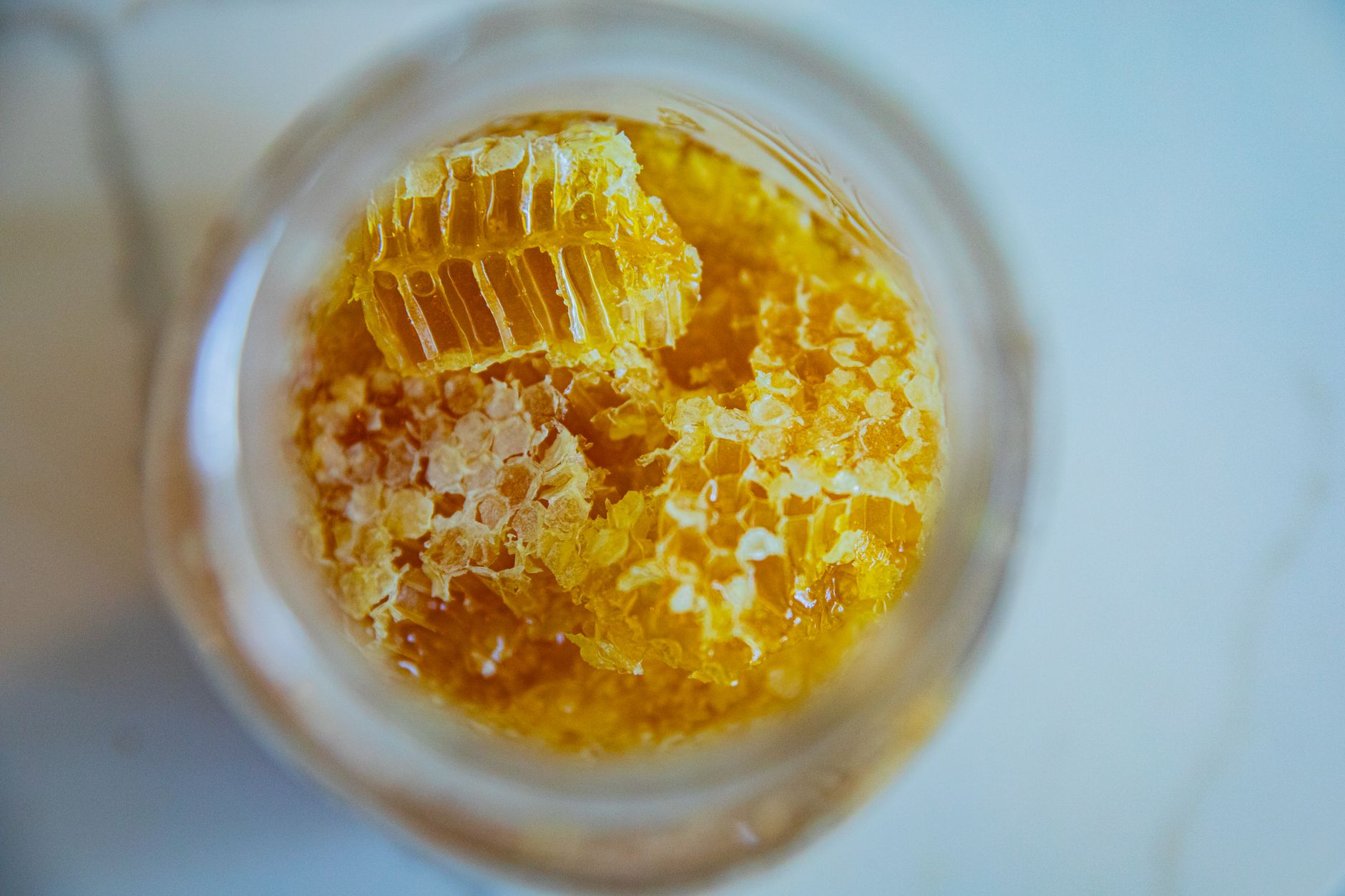
Honey has been applied to wounds and burns across nearly every ancient medical tradition - Egyptian, Greek, Ayurvedic, and beyond. For a long time, the rationale was essentially folk wisdom: it was sticky, it kept things clean, and it seemed to work. What decades of laboratory and clinical research have since revealed is that the chemistry responsible for those effects is considerably more involved than any single explanation covers.
Understanding what honey actually does - and where it clearly falls short - matters because it shapes how and when this remedy is genuinely appropriate, and when it is not.
The Osmotic Layer
Honey’s sugar content, at roughly 80%, combined with very little free water creates an osmotic environment that disrupts microbial growth. This is the most straightforward of honey’s antibacterial mechanisms: bacteria and fungi may be inhibited by reduced available water, and honey’s composition can limit that availability. High sugar content alone does not fully account for honey’s antibacterial effect, however - when honey is diluted with water to reduce its osmotic activity, it still inhibits the growth of many bacteria associated with wound infection. That finding points to additional active components beyond sugar concentration.
Hydrogen Peroxide and Acidity
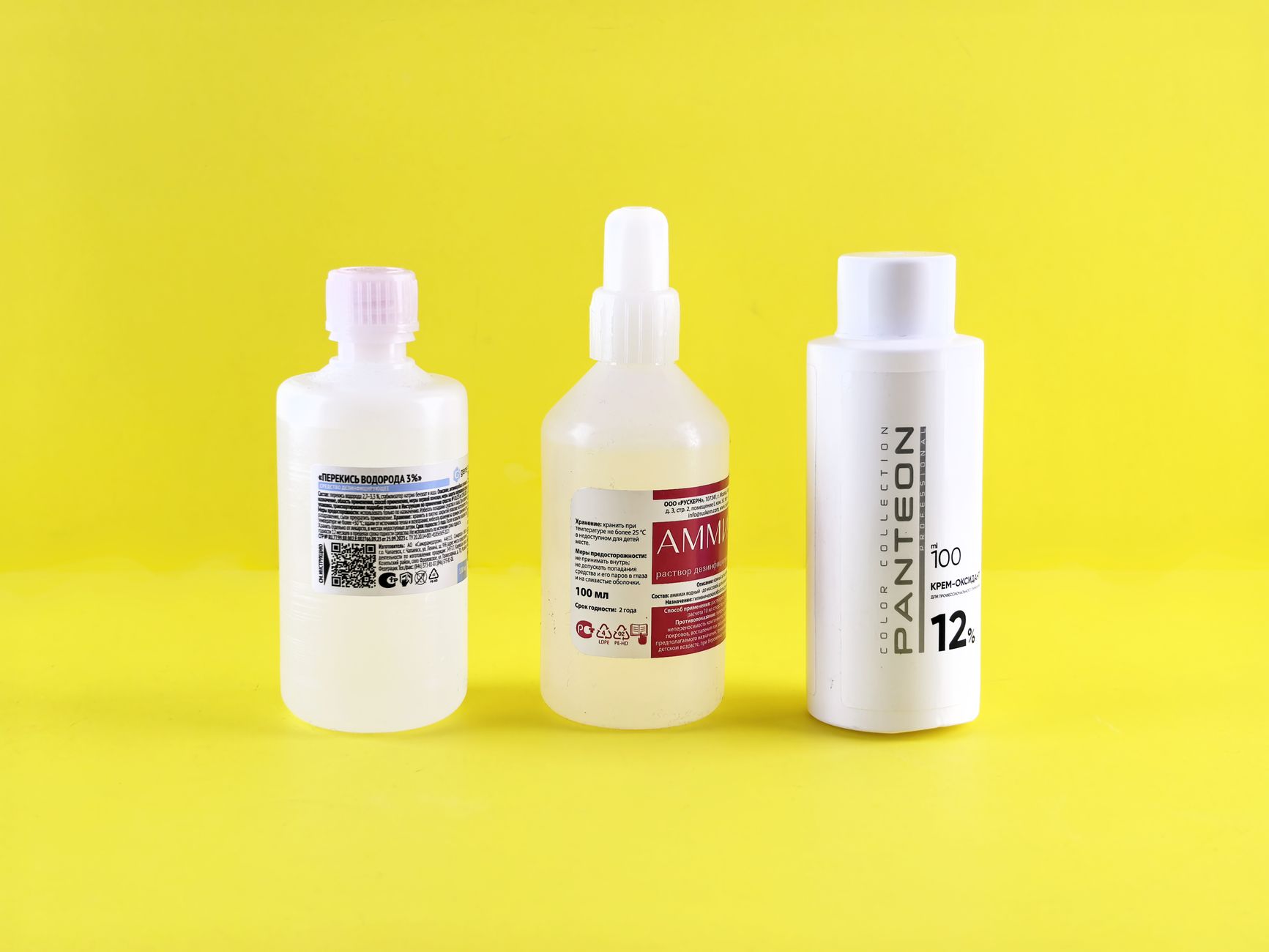
Hydrogen peroxide was recognized as a major antibacterial compound in honey as far back as the 1960s. It is not present in honey at a fixed level - it is generated through enzymatic activity after honey contacts wound fluids. This antibacterial activity may be due to hydrogen peroxide, which is continuously produced by enzymes even when honey is diluted. At the same time, honey’s naturally low pH creates an acidic environment that may further inhibit bacteria. The wound-healing properties attributed to honey are thought to involve its acidity, hydrogen peroxide content, osmotic effect, nutritional and antioxidant contents, stimulation of immunity, and some compounds that remain incompletely characterized.
That last point is worth holding onto: the full picture is not yet settled.
What the Clinical Evidence Shows - and Where It Gets Complicated
A Cochrane systematic review examined the evidence from 26 studies involving 3,011 people across many different wound types, with honey compared against a variety of conventional treatments. The results were not uniform.
That review found that honey may heal partial-thickness burns roughly four to five days more quickly than conventional dressings, though the evidence supporting this was rated high quality.
Moderate-quality evidence also supported honey as more effective than antiseptic followed by gauze for wounds infected after surgical procedures. Beyond those two areas, the picture becomes significantly less clear. For burns more broadly, mixed acute and chronic wounds, pressure ulcers, venous leg ulcers, diabetic foot ulcers, and several other wound types, whether honey outperforms other treatments remains uncertain, largely because the available evidence is rated low or very low quality.
The differences in wound types and study comparators make drawing overall conclusions difficult, and the evidence for most comparisons was rated low or very low quality - largely because problems with study design made some results unreliable, and for many outcomes, only a small amount of information was available.
That is not a dismissal of honey. It is an accurate description of where clinical science currently stands.
Tissue Effects Beyond Antibacterial Action
Preventing infection is only part of what a wound dressing needs to accomplish. Data suggest that honey’s wound-healing properties may include stimulation of tissue growth, enhanced epithelialization, and minimized scar formation. Separately, honey has demonstrated an ability to autolytically debride wounds - meaning it may assist in removing dead, damaged, or infected tissue in a way that improves the healing potential of surrounding healthy tissue.
A systematic review found that aloe vera and its compounds may also be associated with improved wound healing outcomes, with some evidence suggesting it might be effective for first- and second-degree burns, and that it could help retain skin moisture and integrity while easing inflammation. Honey and aloe vera are frequently compared in home remedy contexts - both have distinct mechanisms and neither replaces medical wound care for serious injuries.
Not All Honey Is the Same
All honeys are not chemically equal, and new bioactive components are still being discovered. Manuka honey, derived from the Leptospermum scoparium shrub native to New Zealand and Australia, has attracted particular attention. Manuka honey has been recognized to have superior antimicrobial activity compared to most other honeys, attributed to high levels of antibacterial phytochemical activity specific to this variety. That phytochemical activity - primarily from a compound called methylglyoxal - appears to persist even when hydrogen peroxide activity is neutralized, making manuka honey’s antibacterial mechanism somewhat distinct from most other types.
For medical-grade wound dressings, standardized honey preparations are used rather than grocery-store products, because composition varies considerably between sources, processing methods, and floral origins.
Where Honey Clearly Does Not Apply
Evidence suggests honey may be ineffective for chronic leg ulcers. Deep wounds, puncture wounds, and injuries involving broken bones or significant bleeding are outside the domain of any home remedy. Severe injuries involving broken bones or excessive bleeding require medical attention, not home treatment. Signs of spreading infection - expanding redness, warmth, red streaking away from the wound site, fever, or increasing pain rather than diminishing - may indicate that a wound has moved well beyond what any topical remedy addresses.
The Practical Picture
For minor cuts, abrasions, and superficial burns, honey - particularly in a medical-grade or standardized form - has a legitimate evidence base. Across reviewed evidence, honey shows approximately equal or slightly superior effects when compared with conventional treatments for acute wounds and superficial partial-thickness burns. That is a meaningful finding for a substance that has been sitting in pantries for thousands of years.
The gap between that finding and the more expansive claims sometimes made for honey matters. Calling honey a universal wound treatment misrepresents what the clinical evidence says. Calling it ineffective is equally wrong.
For a minor wound, applying a thin layer and covering it with a clean dressing is a reasonable approach. The evidence does not support leaving wounds open and treated with honey for prolonged periods without monitoring, and raw unprocessed honey from unregulated sources carries its own risks, including potential contamination, that standardized preparations are specifically designed to eliminate.