Why How You Cook and Store Vitamin C Sources Changes What You Actually Absorb
Vitamin C degrades rapidly with heat, water, and storage. How you prepare food may matter as much as which foods you choose.
The Vitamin Your Preparation Method Can Quietly Eliminate
Most people know which foods contain vitamin C. Far fewer know how much of it survives by the time the food reaches the plate. Vitamin C is among the most fragile nutrients in the human diet - sensitive to heat, water, light, and even the air in a refrigerator. Getting enough isn’t purely a question of what you eat; it’s also a question of how you handle it.
Humans, unlike most other animals, cannot synthesize vitamin C internally, making it an essential dietary component. The body requires it for the biosynthesis of collagen, L-carnitine, and certain neurotransmitters, as well as for protein metabolism generally.
Collagen in particular is an essential component of connective tissue, which plays a central role in wound healing. That dependency runs deep: signs and symptoms of deficiency can appear within a month of consuming less than roughly 10 mg per day, and characteristic signs may include joint pain, poor wound healing, and other features associated with impaired connective tissue integrity.
What Vitamin C Actually Does in the Body
Vitamin C serves as a co-factor for multiple enzymes and plays a significant role in immune regulation, collagen synthesis, and iron absorption. Its antioxidant activity - neutralizing reactive oxygen species - is closely tied to its chemical structure, and that same reactivity is exactly what makes it so unstable outside the body.
Fresh fruits and vegetables are the primary dietary sources, but their vitamin C content is highly variable and sensitive to both environmental conditions and processing. Two bell peppers from the same plant, stored under different conditions or cooked by different methods, can deliver substantially different amounts of the vitamin.
The richest sources include citrus fruits, red and green peppers, kiwifruit, broccoli, strawberries, and Brussels sprouts. Red peppers in particular tend to contain more vitamin C than oranges by weight - though again, raw versus cooked makes a significant difference.
How Heat, Water, and Light Degrade the Vitamin

Vitamin C is water-soluble and susceptible to heat, so cooking can reduce the vitamin C content of food. This isn’t a minor rounding error. High-heat cooking temperatures or prolonged cook times can break down the vitamin substantially.
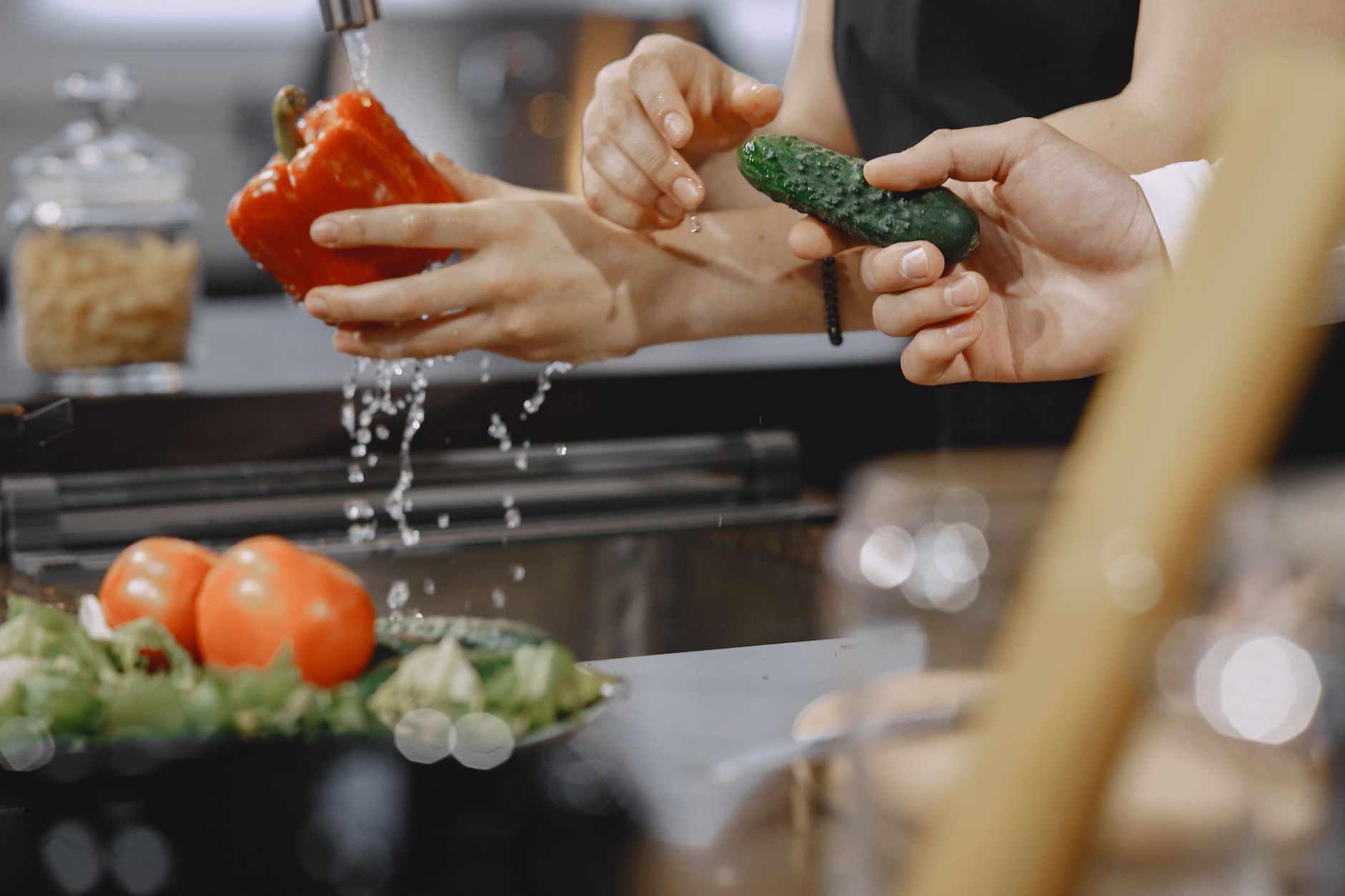
Because it is water-soluble, vitamin C can also seep into cooking liquid and be lost if that liquid is not consumed. Boiling broccoli in a large pot of water - and discarding the water - is one of the most efficient ways to strip a meal of its vitamin C content. Steaming, microwaving, and stir-frying preserve more of the nutrient because they expose food to heat for shorter periods and use little or no water.
Deterioration in vitamins may also occur during storage of vegetables and fruits before any cooking begins. Vitamin C oxidizes progressively from the moment a fruit or vegetable is harvested. Produce that has traveled long distances and sat in storage can have meaningfully lower vitamin C levels than freshly harvested equivalents - though the actual magnitude varies considerably by product, storage temperature, and duration.
The best food sources of vitamin C are uncooked or raw fruits and vegetables; cooking or storing them for long periods reduces their content.
The Storage Problem People Overlook
Refrigeration slows vitamin C degradation but doesn’t stop it. Leafy greens left in a crisper drawer for a week may lose a portion of their ascorbic acid content. Cutting fruits and vegetables exposes more surface area to oxygen, which accelerates the oxidative breakdown. Pre-cut produce sold in supermarkets has typically been processed and stored for some time, which affects the vitamin C that reaches the consumer.
A significant amount of naturally occurring vitamin C may deteriorate due to food processing, storage, and distribution before ever reaching the gastrointestinal tract, limiting its biological activity.
How the Body Absorbs Vitamin C - and Where the Ceiling Is
Even if a food retains its vitamin C content through careful handling, what the body absorbs is subject to a separate set of constraints.
The intestinal absorption of orally ingested vitamin C - whether from food or supplements - occurs through transporter proteins rather than passive diffusion. This is significant because those transporters can be saturated. Research has established that increasing oral doses beyond roughly 200-400 mg of vitamin C per day leads to decreasing absorption fractions, indicating that intestinal absorption is subject to saturable active transport.
Absorption of vitamin C decreases to less than 50% when taking amounts greater than 1,000 mg. In generally healthy adults, megadoses are not toxic because once tissues become saturated, absorption decreases and excess is excreted in urine.
This pharmacokinetic ceiling has real practical implications. Taking a very large vitamin C supplement in a single dose delivers substantially less usable vitamin C than the label suggests, because the transporter system cannot keep pace. Spreading intake across the day - through meals that include multiple vitamin C-containing foods - is more aligned with how the body actually handles the nutrient.
Absorption does not differ meaningfully between food sources and supplements when comparable amounts are compared. The advantage of food sources lies not in a superior delivery mechanism but in the surrounding nutritional context.
The Iron Absorption Interaction
Vitamin C may improve the absorption of non-heme iron, the type of iron found in plant foods such as leafy greens. Including a vitamin C-rich food or a small glass of 100% fruit juice with meals has been associated with improved iron uptake.
The bioavailability of vitamin C is influenced by the food matrix and its interactions with other nutrients - notably, it may enhance non-heme iron absorption and may work synergistically with other antioxidants.
This interaction is most relevant for people who eat predominantly plant-based diets, since plant-sourced iron is far less bioavailable than the heme iron in meat. Eating lentils alongside a tomato-based sauce, or adding raw bell pepper to a spinach salad, may take advantage of this relationship in a way that a supplement taken separately from a meal does not.
When Higher Intakes Carry Risk
For most people with functioning kidneys, the body manages excess vitamin C efficiently through reduced absorption and urinary excretion. Adverse effects become more likely with intakes exceeding 3,000 mg daily, including reports of diarrhea, increased kidney stone formation in those with existing kidney disease or a history of stones, increased uric acid levels - a risk factor for gout - and excess iron absorption in individuals with hemochromatosis.
These risks apply to supplemental megadoses, not to dietary vitamin C from food.
What This Means for Everyday Food Choices
The practical takeaway is less about which foods you choose and more about the full chain of decisions between purchase and plate.
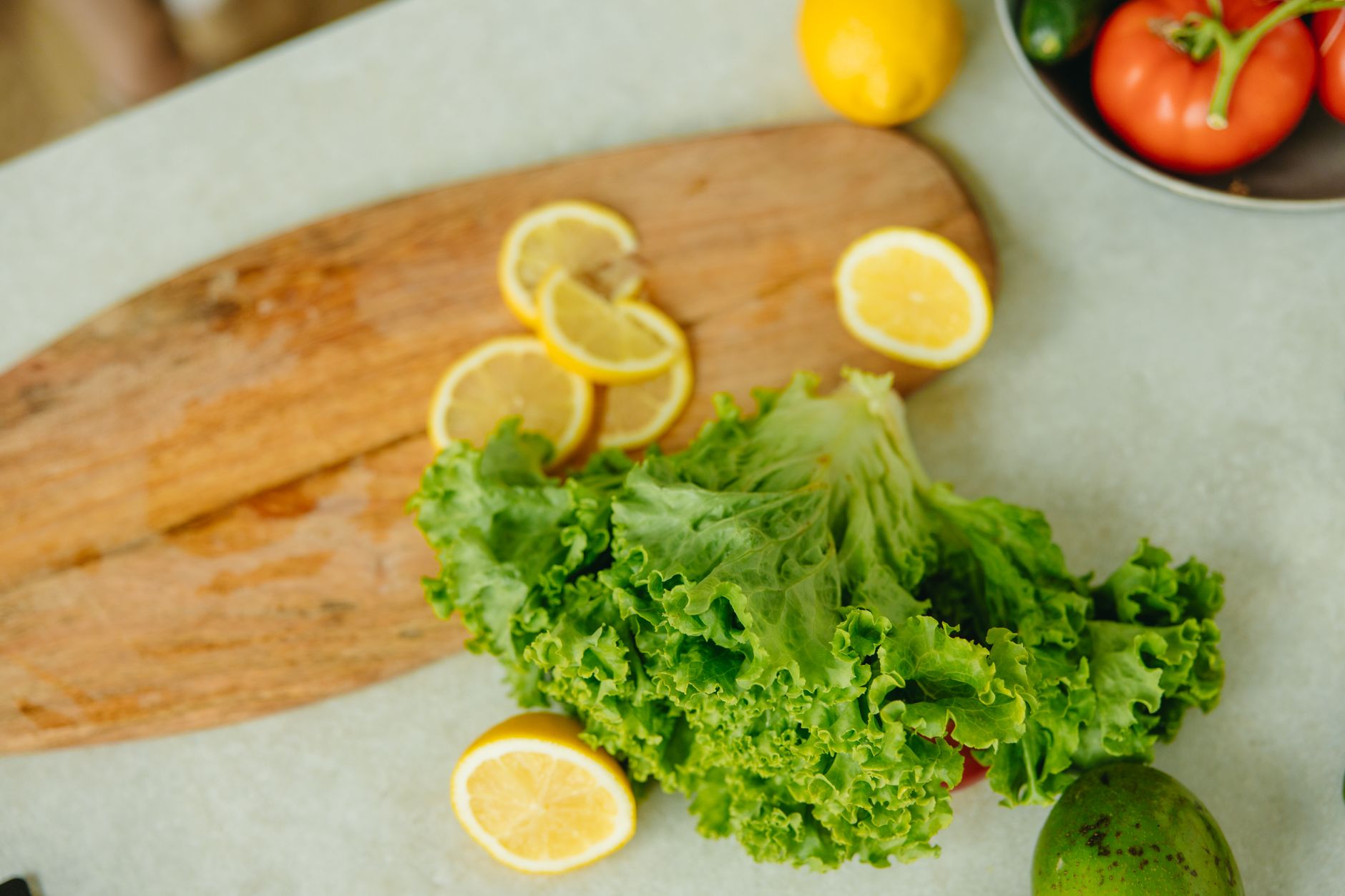
Raw preparations - a red pepper sliced into a salad, a bowl of fresh strawberries, a green smoothie - preserve vitamin C content far better than long cooking. When cooking is desirable, shorter cooking times, lower heat, and minimal water limit the losses. Soups and stews that retain their cooking liquid are preferable to boiled vegetables where the liquid is discarded.
People who have limited food variety - including some older individuals, people who live alone and prepare monotonous meals, or those with restricted diets - may not obtain sufficient vitamin C from diet alone.
For those who do supplement, the saturable absorption mechanism means that a moderate daily dose - rather than a single large one - may be more likely to maintain adequate tissue levels over time. Research on optimal splitting protocols in free-living adults is limited, so specific dosing recommendations should be discussed with a healthcare provider.
The vitamin C in a bowl of fresh sliced kiwi, eaten with an iron-rich meal, is doing more than one thing simultaneously - and staying largely intact, because nothing cooked it away.
About our editorial approach
Our articles explain current evidence in plain language. We summarise published research without inventing mechanisms, upgrading hedging, or making diagnostic claims. Where evidence is mixed or limited, we say so.
How we research and update articles →