The Most Common Nutritional Shortfall Most People Don’t Think About
Iron deficiency is one of the most common mineral deficiencies in the world. Yet many people experiencing its effects - persistent fatigue, poor concentration, cold extremities - spend months attributing them to stress, poor sleep, or simply being busy. The symptoms are non-specific enough that the underlying cause often goes unexamined.
Symptoms can include weakness, fatigue, irritability, mood swings, headache, exercise intolerance, decreased appetite, pallor, shortness of breath, and restless legs syndrome. Because this list overlaps with dozens of other conditions, iron deficiency frequently goes undiagnosed until it progresses far enough to affect red blood cell production and becomes full iron-deficiency anemia.
What Iron Actually Does in the Body
Iron’s core function is oxygen transport. Without sufficient iron, the body can’t make enough of the component of red blood cells - hemoglobin - that allows them to carry oxygen. Beyond that role, iron is involved in energy metabolism and immune function, which is why a deficiency can feel like so much more than simple tiredness.
Beyond anemia, iron deficiency may have more subtle adverse effects, including restless legs syndrome, chronic fatigue, and decreased physical and cognitive performance. It is also associated with sleeping disorders, changes in fingernails and hair, and - in pregnancy - obstetric complications including low birth weight and preterm delivery.
In children, the stakes are particularly high. Iron deficiency in young children may increase the risk of developmental delays and behavioral disturbances.
Why the Cause Is Rarely Just “Not Eating Enough Iron”

Most adults with iron deficiency aren’t primarily suffering from a low-iron diet. The most common cause of iron deficiency is blood loss, usually through menorrhagia or gastrointestinal bleeding.
In men and postmenopausal women, iron deficiency may point toward bleeding in the digestive tract - from a bleeding ulcer or a polyp - and chronic bleeding due to colon cancer is a serious cause in middle-aged and older adults. Persistent iron deficiency that doesn’t respond to dietary changes warrants investigation, not just supplementation.
Disorders that interfere with absorption from the intestine, such as celiac disease, can also cause iron deficiency - and in adults, iron deficiency may sometimes be the first sign of celiac disease.
Surgery or medications that stop stomach acid production may also decrease iron absorption.
Diagnosis itself has a complication worth knowing. The current preferred diagnostic measure is a serum ferritin test, which reflects total body iron stores - but ferritin is an acute-phase reactant that may be elevated in cases of inflammation, infection, malignancy, and liver disease, producing a false-negative result. A normal ferritin reading may not rule out deficiency in someone with chronic inflammation.
Heme vs. Non-Heme Iron: A Gap That Changes Everything
Not all dietary iron functions the same way inside the body. Iron in food comes in two structurally different forms, and the distinction has major practical consequences.
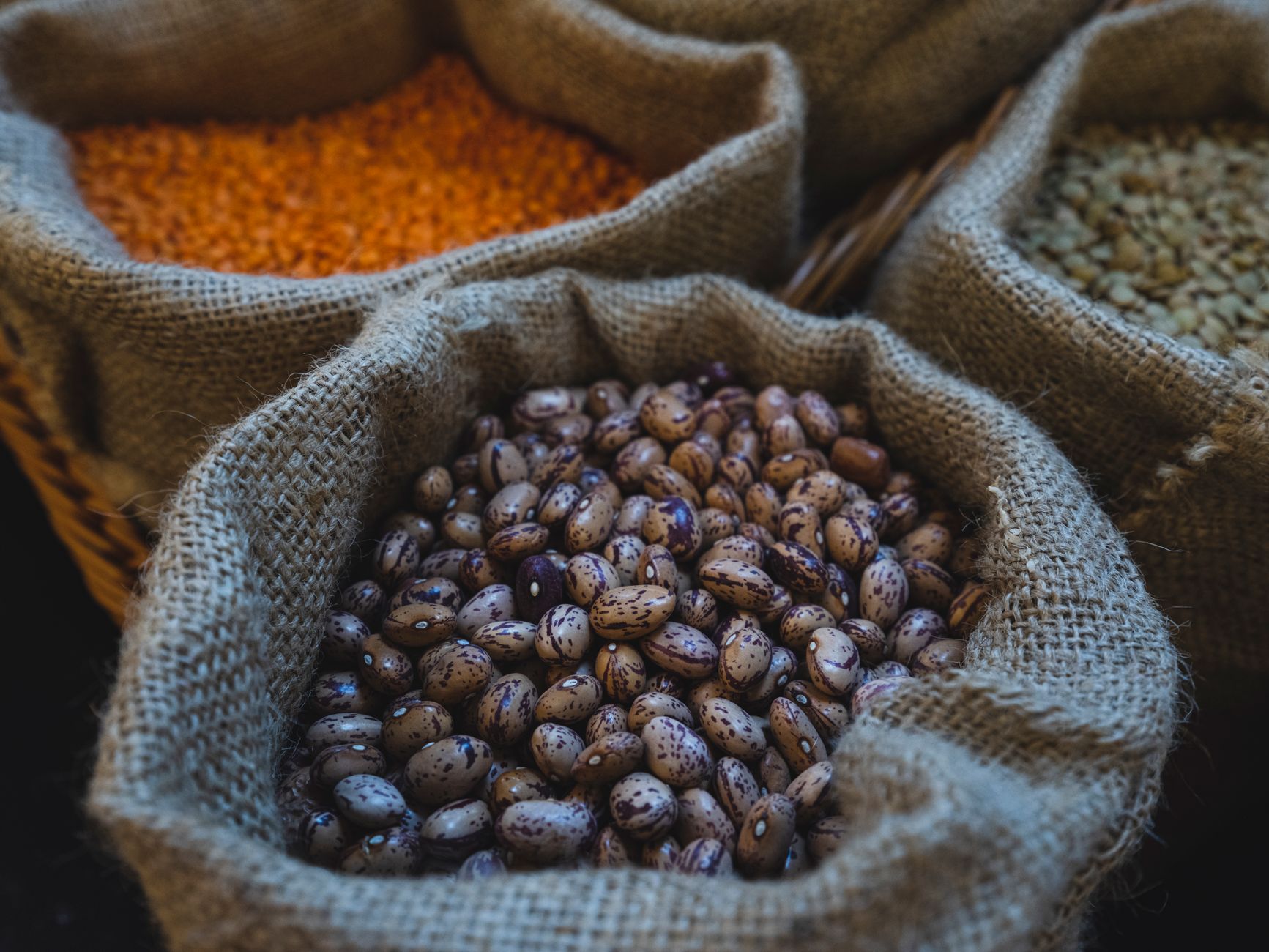
Heme iron, found in meat, poultry, and seafood, is absorbed significantly better than non-heme iron - the form found in plants, beans, fortified cereals, and eggs. The body can take up heme iron relatively efficiently. Non-heme iron is far more sensitive to the other foods in a meal, which is why most absorption strategies focus on improving non-heme iron uptake.
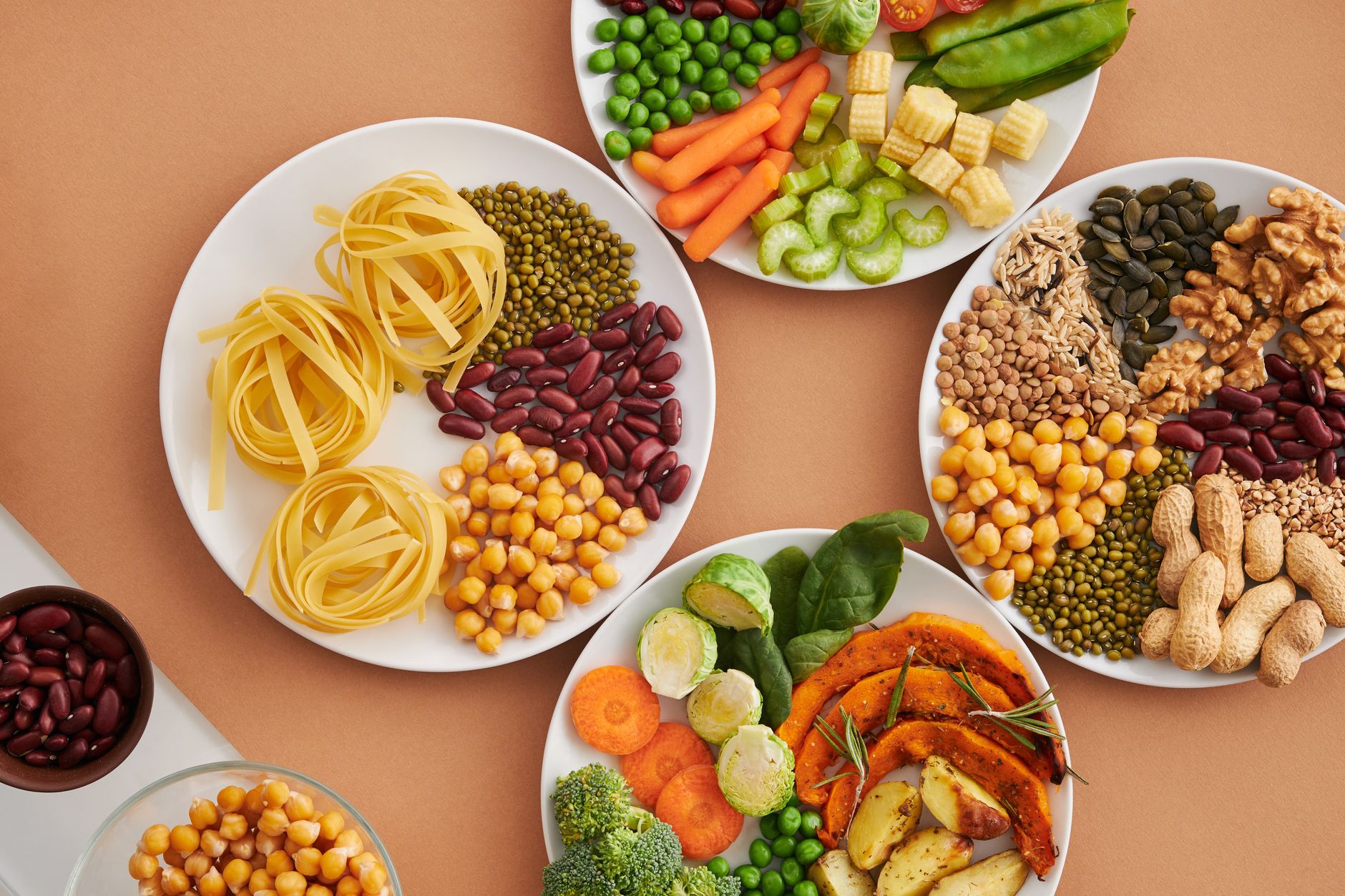
The numbers reflect this gap. Non-heme iron, found in plant sources such as beans, nuts, dark chocolate, legumes, spinach, and fortified grains, has about two-thirds the bioavailability of heme iron - with roughly 25% of dietary heme iron absorbed compared to 17% or less of non-heme iron. In practice, absorption from plant sources can vary considerably depending on diet composition. Absorption rates for plant-based iron range from as low as 2% to over 20%, depending on what else is on the plate.
This has clear implications for people eating plant-forward diets. The iron requirement is estimated to be 1.8 times higher for people who follow vegetarian diets than for those who include animal products, because heme iron from meat is more bioavailable than non-heme iron from plant-based foods.
How Meal Composition Shifts Iron Absorption
Vitamin C: The Most Reliable Enhancer
Vitamin C may enhance the absorption of non-heme iron by converting ferric iron to ferrous iron, which is more soluble. It may also counteract iron absorption inhibitors, including phytates in grains and legumes, polyphenols in tea, coffee, and red wine, and calcium in dairy products.
The timing matters just as much as the presence. The vitamin C should be consumed at the same meal as the iron source, as the conversion reaction needs to happen while the iron is still in the digestive tract. Practical combinations: bell peppers with lentil soup, citrus fruit alongside fortified cereal, tomatoes in a bean-based dish. There appears to be a linear relationship between ascorbic acid intake and iron absorption up to at least 100 mg of ascorbic acid per meal.
The Meat Factor
The heme iron in meats, fish, and poultry - sometimes called the “MFP factor” - may significantly increase non-heme iron absorption from fruits, vegetables, and grains when consumed together. One study found that adding chicken, beef, or fish to a meal increased non-heme iron absorption two to three fold, while adding the same quantity of protein as egg albumin produced no difference.
The precise mechanism is unclear, but evidence suggests that cysteine-containing peptides in animal products may aid in promoting iron absorption.
What Blocks Absorption
Several common dietary components inhibit non-heme iron uptake, and they tend to appear in meals where iron-rich plant foods are also present.
The most important inhibitors of iron uptake are phytic acid and phytates, polyphenols and tannins, proteins from soya beans, milk, eggs, and calcium.
Tannins are phenolic compounds found naturally in teas and wines that may inhibit absorption and should be spaced away from iron-rich meals.
Calcium warrants particular attention. Calcium has a direct dose-related inhibiting effect on iron absorption, with absorption reduced by 50 to 60% at doses of 300 to 600 mg of calcium - and inhibition may be maximal at that level.
Milk, cheese, yogurt, and calcium supplements may compete with iron for absorption - waiting at least two hours between consuming these and taking iron-rich foods or supplements may help.
It’s worth noting that the evidence on calcium’s long-term impact is more mixed. Despite a significant reduction in iron absorption by calcium in single-meal studies, little effect has been observed on serum ferritin concentrations over longer periods in supplement trials. Individual dietary patterns, overall iron status, and meal frequency all influence whether single-meal interactions translate to lasting effects on iron stores.
Groups With Higher Iron Requirements
Iron needs vary considerably across the lifespan. An increased iron requirement may accompany rapid red blood cell production during growth spurts in children and adolescents, and during pregnancy and lactation.
Older adults are more likely to have conditions associated with iron deficiency anemia - such as chronic kidney disease, inflammation, and nutritional deficiencies - and are more likely to use medications like NSAIDs, anticoagulants, and proton pump inhibitors over a long period, which may cause blood loss in the stomach or reduce iron absorption.
Practical Takeaways for Everyday Eating
The architecture of a single meal can meaningfully shift how much iron reaches the bloodstream - particularly for people relying on plant-based sources.
Meeting iron requirements exclusively from plant-based sources can be challenging because non-heme iron is not as easily absorbed in the small intestine. For omnivores, eating a mixture of plant-based foods and iron-rich meats and seafood several times throughout the week - including lean cuts of red meat, shellfish, and occasional organ meats - may help maintain iron levels. For plant-based eaters, the strategic pairing of non-heme iron foods with vitamin C-rich foods at each meal is a consistent, evidence-supported habit.
Avoiding black tea or coffee during iron-rich meals is a small but measurable adjustment. Tannins in tea and coffee may lower iron absorption when consumed together with iron-rich foods.
One frequently overlooked fortified source: many processed foods such as bread, cereal, and nutritional drinks are fortified with non-heme iron, which has been estimated to account for a substantial portion of daily dietary iron intake in some populations. Checking labels on regularly consumed staples is a straightforward way to assess how much non-heme iron is already in the daily diet - before looking to expensive supplements.